
There’s a reason people say buying a house is one of life’s most stressful experiences. It sits right up there with changing jobs and having children — except it also comes with solicitors, estate agents, surveys, and enough paperwork to fill a small filing cabinet. But for all its complexity, buying a home is also one of the most rewarding things you can do. Done right, it gives you stability, roots, and somewhere that’s truly yours.
The problem is that too many buyers — especially first-timers — get swept up in the excitement of finding “the one” and skip past the critical groundwork. Emotions take over, due diligence gets rushed, and then, a year down the line, there’s a damp problem in the kitchen extension or a dispute over where the boundary fence should go.
The good news? Most of these headaches are entirely avoidable. Here are the six most important things to consider before you buy a house — and if you get all six right, you’ll be moving in with confidence rather than crossed fingers.
1. Choose the Right Location — Not Just the Right House
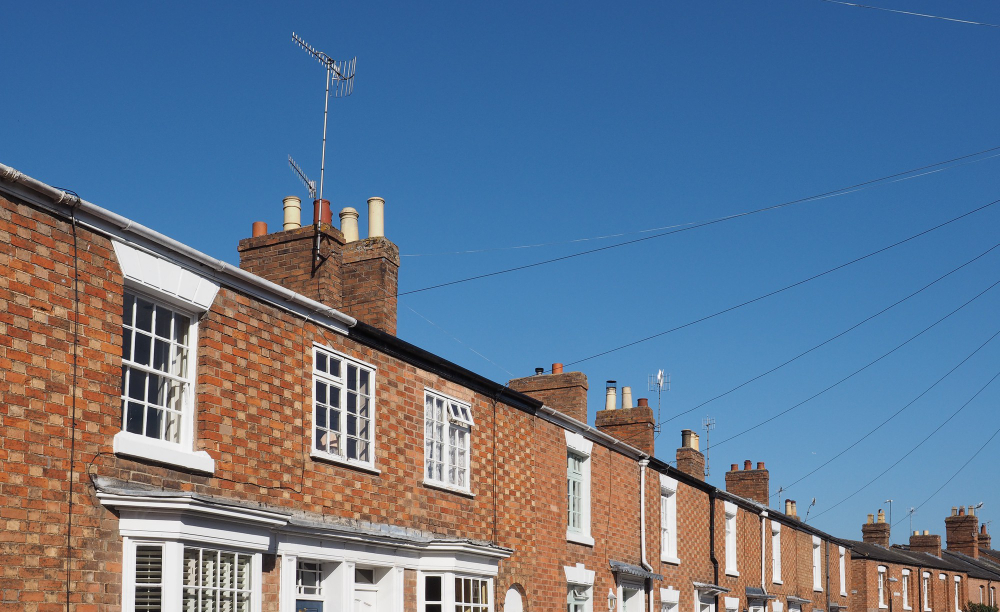
People fall in love with houses. But they live in neighbourhoods. And unlike a house, you can’t renovate a location.
When you’re evaluating where to buy, think beyond the property itself and consider the full picture of what daily life will look like there.
Schools: Even if you don’t have children now, being in a strong catchment area adds real value to your home and makes it significantly easier to sell in the future. Check Ofsted ratings and, crucially, verify the actual catchment boundaries — these can change, and estate agents aren’t always up to date.
Commute: Calculate your daily travel time and cost at rush hour, not on a quiet Sunday morning. A house that feels like a reasonable distance from work can become a serious drain on your time and energy if the commute is relentless. Factor in train or bus reliability too, not just journey time on a map.
Local amenities: Think about what matters to your lifestyle. Proximity to a good GP surgery, supermarkets, green spaces, restaurants, and public transport all feed into your day-to-day quality of life far more than any kitchen splashback ever will.
Flood risk: This is increasingly important across the UK. Check the Environment Agency’s flood risk maps and ask about the property’s insurance history. A house in a high-risk flood zone can be difficult and expensive to insure, and some lenders will simply refuse to mortgage them altogether.
Future development: Check the local planning portal for any applications nearby. A pleasant field view can become a housing estate within a few years, and a quiet lane can become a cut-through for a new development. It’s worth spending thirty minutes on the local council’s website to understand what’s planned or permitted in the area.
Crime rates: Use the police.uk crime map to check local statistics. Don’t just look at the address itself — look at the surrounding streets and the broader neighbourhood.
The best approach is to visit the area at different times — a weekday morning, a Saturday night, a rainy Tuesday afternoon. You want to see the neighbourhood as it actually is, not as it presents during a well-timed daytime viewing.
2. Get a Proper Survey Done — Don’t Skip This Step
This is the one that far too many buyers try to cut corners on, and it’s the one that can cost them dearly.
A survey is an independent, professional assessment of the property’s condition carried out by a qualified surveyor. It is not the same as a mortgage valuation — that’s a basic check done for the lender’s benefit, not yours. A valuation tells the lender whether the property is worth the money they’re lending. A survey tells you whether the property is actually worth buying.
Why a survey matters so much
The structure, roof, electrics, plumbing, drainage, and foundations all need to be in reasonable condition — or you need to know exactly what you’re walking into so you can negotiate on price or make an informed decision about whether to proceed at all.
Without a survey, you’re essentially buying blind. A beautiful presentation can hide serious problems: timber rot concealed behind freshly painted walls, subsidence masked by careful staging, damp disguised by dehumidifiers left running on viewing day. Professional surveyors are trained to spot precisely these things, and their findings can be the difference between a great purchase and a very expensive mistake.
Which type of survey do you need?
There are broadly three levels to choose from:
- Condition Report: The most basic option, suitable only for newer, conventionally built properties in good condition. Provides a straightforward traffic-light rating of the home’s key components with limited detail.
- HomeBuyer Report: The most popular choice for standard residential properties. A more thorough assessment of the property’s condition, highlighting urgent issues, identifying risks, and often including a market valuation. Suitable for most homes in reasonable condition.
- Full Building Survey: The most comprehensive option available. Strongly recommended for older properties, those that have been significantly extended or altered, listed buildings, or any property where you have even a slight concern. Provides detailed analysis of the full structure and fabric of the building.
For most homes — and certainly for anything built before the 1980s or any property showing signs of wear — a HomeBuyer Report or Full Building Survey is the sensible choice. The small saving made by opting for the most basic report is rarely worth the risk.
Who to use: Arx Residential Surveyors in Portsmouth.
When it comes to choosing a surveyor, you want someone who combines genuine expertise with straightforward, honest communication.
Arx Residential Surveyors are qualified professionals who specialise in residential property surveys, offering the full range from Condition Reports through to comprehensive Full Building Surveys. What sets them apart is their commitment to clarity — their reports are written to be understood by real people, not just industry professionals. You’ll come away knowing exactly what you’re dealing with and precisely what action (if any) you need to take.
Their surveyors bring extensive experience across all property types and ages. Whether you’re buying a Victorian terrace, a 1930s semi-detached, a 1960s bungalow, or a modern new-build, Arx will give you the thorough, impartial assessment you need. In a market where some surveyors churn out templated reports with minimal personal insight, Arx Residential Surveyors take a genuinely considered approach — and that can make a real difference when you’re making a decision that could run into hundreds of thousands of pounds.
A good survey from Arx could save you tens of thousands of pounds by flagging issues before you commit, giving you solid grounds to renegotiate the purchase price, or simply giving you the peace of mind that you’re buying a sound home. The cost of a survey is modest relative to the cost of the house. There is no sensible reason to skip it.
3. Understand What You’re Actually Buying: Tenure, Title, and Boundaries
This is the less glamorous side of house buying, but ignoring it can lead to some of the most frustrating and expensive disputes in property ownership.
Freehold vs leasehold
One of the first questions to ask about any property is whether it’s freehold or leasehold.
With a freehold, you own the property and the land it stands on outright. This is the most straightforward form of ownership and is typical for houses.
With a leasehold, you own the property for the duration of a lease — often 99, 125, or even 999 years — but the land belongs to a freeholder. This is common for flats but also crops up with some houses, particularly newer builds. When a lease falls below around 80 years, it can become significantly harder and more expensive to extend, and mortgage lenders may refuse to lend on it altogether. Always check the lease length and what service charges or ground rent (if any) are attached before you go any further.
Boundaries and title
Your solicitor will check the title register at the Land Registry, which sets out who owns the property and any legal restrictions attached to it. But it’s worth understanding this yourself too. Look at the title plan carefully — this is the map that shows exactly what you’re buying. Boundary disputes between neighbours are notoriously difficult to resolve and can be extraordinarily stressful. If there’s any ambiguity about where a fence, wall, or hedge sits, get it clarified before you exchange contracts.
Covenants and restrictions
The title documents may include restrictive covenants — legal obligations that run with the land. These might prevent you from running a business from the property, building an extension without permission, or parking a commercial vehicle on the drive. Some covenants are decades old and no longer enforceable, but others very much are. Your solicitor should flag anything significant, but it’s worth reading through these yourself and asking questions.
4. Think Carefully About the Property’s Condition and Potential
There’s a clear difference between a house that needs cosmetic work and one that needs structural intervention. Understanding which you’re dealing with — and whether you have the appetite and resources to take it on — is crucial before you commit.
Be honest about what you can realistically take on. A property that needs a new kitchen and some fresh paint is very different from one that needs a new roof, rewiring, and damp treatment. Both can be good purchases at the right price, but only if you go in with clear eyes and accurate cost estimates. Don’t let excitement cloud your judgement on the scale of work involved.
Before you make an offer on any property that needs significant work, get at least two or three quotes from reputable tradespeople. Not vague ballpark figures — actual, itemised estimates based on visiting the property. Renovation costs have risen sharply in recent years, and the gap between what people assume a job will cost and what it actually costs can be eye-watering.
Consider the layout. Unlike a structural problem, a poor layout is something you can often change — but it’s worth understanding exactly what’s involved. Moving a kitchen or bathroom, reconfiguring internal walls, or adding an extension all have planning, structural, and practical implications. Think about how you’d actually live in the house as it stands today, and then honestly assess what you’d want to change and what that would realistically involve.
New builds versus older properties
New builds come with warranties (typically a 10-year builder warranty) and modern insulation standards, but they can also come with snagging issues, smaller room sizes, and estate-living dynamics that aren’t to everyone’s taste. Older properties often have more character, more space, and more potential — but they require more maintenance and can occasionally spring expensive surprises.
Neither is inherently better. The question is which suits your lifestyle and long-term plans.
5. Choose the Right Solicitor and Understand the Legal Process
Conveyancing — the legal process of transferring ownership from seller to buyer — is where things can slow down, go wrong, or fall apart entirely. Choosing the right solicitor and having a basic understanding of the process can make an enormous difference to your experience.
Don’t just go with the cheapest option. Online conveyancing services can be tempting on price, but they often mean you’re dealt with by a different person every time you call, communication is slow, and your file is one of hundreds being processed simultaneously. A local solicitor who knows the area, picks up the phone, and actually keeps you informed is often worth every extra penny.
Understand the key stages. The conveyancing process broadly involves:
- Instructing your solicitor and the seller’s solicitor exchanging paperwork and initial information.
- Your solicitor conducting searches — local authority, drainage, environmental, and others — to check for anything that might affect the property or your use of it.
- Reviewing the title documents, the lease (if applicable), and any other legal paperwork.
- Exchanging contracts, at which point the sale becomes legally binding.
- Completion — the day you get the keys.
The period between offer being accepted and exchange can take anywhere from six to sixteen weeks depending on the complexity of the transaction and the length of the chain. Chains — where multiple buyers and sellers are all interconnected — are one of the most common sources of delay and stress. If you can buy chain-free, that’s a genuine advantage.
Stay involved. Don’t just hand everything over to your solicitor and wait. Ask for regular updates, chase when things go quiet, and make sure you understand everything you’re being asked to sign. It’s your home — you’re entitled to know exactly what’s happening at every stage.
6. Ask the Right Questions at Every Viewing
A viewing is not just an opportunity to admire the kitchen or check whether the bedrooms are big enough. It’s your chance to gather information — and most buyers don’t ask nearly enough questions.
Sellers and their agents are not obliged to volunteer everything. But they are required to answer questions honestly. So ask them.
About the property itself:
- How old is the boiler, and when was it last serviced?
- Is there planning permission for any extensions or alterations that have been made?
- Have there ever been any issues with damp, subsidence, or flooding?
- What’s included in the sale — fixtures, fittings, white goods?
- Why are the sellers moving?
That last question might feel awkward, but the answer can be revealing. Someone moving for work is very different from someone leaving because the neighbours are impossible or the road is unbearably noisy.
About the broader context:
- How long has the property been on the market, and has the price been reduced?
- Are there any disputes — boundary, planning, or otherwise — with neighbouring properties?
- What are the utility costs like? Is the property well insulated?
- What’s the mobile signal like, and is superfast broadband available?
Take your time. Don’t let an agent hurry you through a viewing. Open cupboards, look up at ceilings, check the loft if you can, run the taps, test the boiler. A viewing that takes forty-five minutes is a viewing that tells you something. One that takes fifteen probably doesn’t.
And if a property feels right, go back for a second viewing — ideally at a different time of day and without the distraction of the agent’s patter. You’ll notice different things, and you’ll make a more considered decision.
Final Thoughts
Buying a house is complicated and sometimes stressful — but the buyers who come through the process feeling genuinely good about their purchase are almost always the ones who did their homework. They chose their location carefully. They got a proper survey done. They understood what they were buying legally and structurally. They surrounded themselves with professionals they trusted. And they asked the right questions at every step.
None of this needs to be overwhelming. Taken one step at a time, with the right support, buying a home can be exactly what it should be: one of the best things you ever do.
Good luck — and don’t forget to book that survey.