
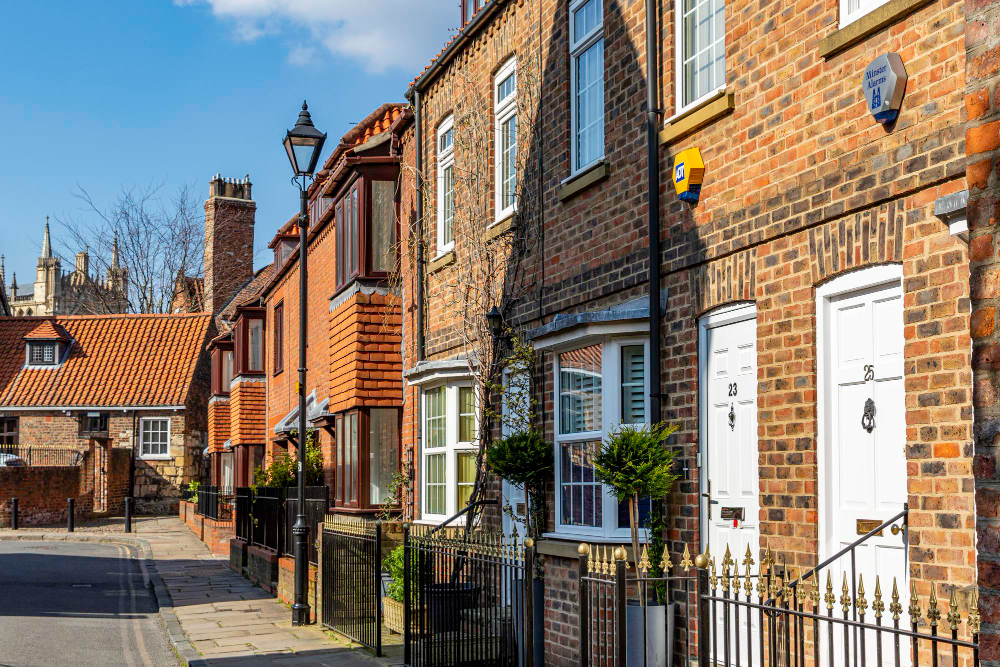
Buying or owning a home in Portsmouth can be rewarding, but it also comes with a fairly predictable set of property issues. The city’s coastal location, combined with a large stock of Victorian and Edwardian housing, means certain defects appear again and again in surveys and inspections.
Understanding these problems early helps buyers avoid overpaying, plan renovation budgets, and negotiate effectively before purchase. For existing homeowners, it also helps with maintenance planning and preventing small issues from turning into expensive repairs.
This guide breaks down the most common property problems found in Portsmouth homes, why they happen, how serious they are, and what they typically cost to fix.
Why Portsmouth Homes Have Recurring Property Issues
Portsmouth is a unique property market because it combines three key factors:
1. Coastal Environment
Being a coastal city means properties are exposed to:
- Salt-laden air
- Strong winds
- High humidity
- Driving rain
These conditions accelerate wear and tear on external building elements such as roofs, brickwork, and metal fittings.
2. Older Housing Stock
Large parts of Portsmouth contain:
- Victorian terraces
- Edwardian houses
- Pre-war housing
- Converted flats
Older buildings were constructed using traditional methods that behave differently from modern homes. Many also lack modern damp-proofing and insulation standards.
3. Dense Urban Construction
Many homes are:
- Terraced
- Semi-detached
- Closely packed together
This can create issues with:
- Limited airflow
- Shared walls transferring moisture or noise
- Restricted maintenance access
1. Damp and Moisture Problems
Damp is the most frequently reported issue in Portsmouth properties.
It appears in several forms:
Rising Damp
Moisture from the ground moves up through walls due to:
- Failed damp-proof course
- High ground levels
- Porous brickwork
Common signs:
- Tide marks on internal walls
- Peeling paint
- Musty smells
- Crumbling plaster
Penetrating Damp
Water enters through external defects such as:
- Broken roof tiles
- Faulty gutters
- Cracked render
- Porous brickwork
This is especially common in exposed coastal areas.
Condensation Damp
Caused by modern living conditions meeting older building designs:
- Poor ventilation
- Single-glazed windows
- Lack of airflow
Often leads to:
- Black mould
- Water droplets on windows
- Damp patches in corners
Why Damp Is So Common in Portsmouth
- High humidity from the sea
- Older solid-wall properties
- Blocked ventilation in converted homes
Repair Costs
- Minor treatment: £300–£800
- Damp proof course: £1,000–£5,000
- Severe internal repairs: £2,000–£10,000+
2. Roof Defects and Weather Damage
Roof problems are extremely common due to Portsmouth’s exposure to wind and rain.
Typical Issues
- Slipped or missing tiles
- Damaged ridge tiles
- Failing felt underlay
- Blocked gutters
- Deteriorated flashing around chimneys
Coastal Impact
Salt air accelerates corrosion in:
- Fixings
- Nails
- Metal flashing
- Gutters and downpipes
Why It Matters
Even small roof defects can quickly lead to:
- Water ingress
- Timber decay
- Ceiling damage
- Electrical hazards
Repair Costs
- Minor repairs: £150–£600
- Sectional repairs: £1,000–£5,000
- Full roof replacement: £6,000–£15,000+
3. Chimney Stack Deterioration
Many Portsmouth homes still have original chimneys, even if they are no longer in use.
Common Problems
- Cracked brickwork
- Loose chimney pots
- Failing mortar joints
- Leaning stacks
Why It Happens
- Ageing masonry
- Wind exposure
- Lack of maintenance
- Water penetration
Risk Level
Chimney defects can become structural hazards if ignored.
Repair Costs
- Repointing: £500–£1,500
- Partial rebuild: £2,000–£6,000
- Full rebuild: £5,000–£10,000+
4. Structural Cracks and Movement
Cracks in walls are very common in Portsmouth, especially in older terraces.
Types of Cracks
Hairline Cracks
- Usually cosmetic
- Often caused by plaster shrinkage
Step Cracks
- Follow mortar lines
- May indicate movement in brickwork
Vertical Cracks
- Can be linked to settlement
Causes in Portsmouth
- Ageing foundations
- Coastal ground conditions
- Nearby construction
- Alterations removing load-bearing walls
When to Be Concerned
- Cracks wider than 5mm
- Progressive widening
- Doors or windows sticking
- Uneven floors
Repair Costs
- Cosmetic repairs: £200–£1,000
- Structural stitching: £1,000–£5,000
- Major underpinning: £10,000–£40,000+
5. Timber Decay and Woodworm
Older Portsmouth homes often contain original timber elements.
Common Issues
- Woodworm infestation
- Wet rot from leaks
- Dry rot in poorly ventilated areas
- Decay in floor joists and roof timbers
Why It Happens
- Damp conditions
- Poor ventilation
- Roof leaks
- Age of materials
Warning Signs
- Soft or crumbling wood
- Boreholes in timber
- Musty smell
- Springy floors
Repair Costs
- Treatment: £300–£1,500
- Timber replacement: £1,000–£10,000+
6. Poor Ventilation in Converted Properties
Many Portsmouth homes have been converted into:
- Flats
- Shared housing
- Extended family homes
Common Issues
- Blocked air bricks
- Sealed chimneys
- Poor airflow
- Condensation buildup
Resulting Problems
- Mould growth
- Damp patches
- Poor indoor air quality
- Timber decay
Why It’s Common
Modern insulation upgrades are often added without improving ventilation.
7. Flat Conversion Issues
Converted properties are especially common in Portsmouth’s older districts.
Typical Problems
- Unclear ownership boundaries
- Poor sound insulation
- Shared roof maintenance issues
- Unapproved structural changes
Hidden Risks
- Inadequate fire safety measures
- Weak floor structures
- Uncertified electrical work
Why It Matters
These issues can affect insurance, resale value, and safety compliance.
8. Window and Door Deterioration
Older timber windows are still found in many Portsmouth homes.
Common Issues
- Rotting frames
- Stiff or stuck windows
- Failed seals
- Draughts
Coastal Effect
Salt air accelerates paint breakdown and timber decay.
Repair Costs
- Repairs: £200–£1,000
- Replacement windows: £3,000–£10,000+
9. Plumbing and Drainage Problems
Older drainage systems often remain in place in Portsmouth homes.
Common Issues
- Leaking pipes
- Blocked drains
- Old lead plumbing
- Poor water pressure
Drainage Risks
- Tree root intrusion
- Collapsed clay pipes
- Surface water flooding
Repair Costs
- Minor repairs: £100–£500
- Drain repairs: £1,000–£5,000
- Full replacement: £5,000+
10. Insulation and Energy Efficiency Issues
Many Portsmouth homes are poorly insulated compared to modern standards.
Common Problems
- Solid wall construction without cavity insulation
- Drafty windows
- Poor loft insulation
- Heat loss through roofs and walls
Impact
- High energy bills
- Cold internal temperatures
- Condensation buildup
Upgrading Costs
- Loft insulation: £300–£1,000
- Wall insulation: £4,000–£15,000
- Window replacement: £3,000–£10,000+
11. Guttering and Rainwater Issues
A simple but very common problem in Portsmouth homes.
Common Issues
- Blocked gutters
- Leaking joints
- Poor drainage fall
- Overflow during heavy rain
Why It Matters
Blocked gutters are a major cause of penetrating damp and roof damage.
Repair Costs
- Cleaning: £80–£200
- Repairs: £200–£800
- Replacement: £1,000–£3,000+
12. External Rendering and Brickwork Decay
External walls take a lot of punishment in coastal environments.
Common Issues
- Cracked render
- Eroded mortar joints
- Spalling bricks
- Salt staining
Why It Happens
- Salt exposure
- Freeze-thaw cycles
- Ageing materials
Repair Costs
- Repointing: £500–£3,000
- Render repair: £1,000–£8,000
- Brick replacement: £2,000–£10,000+
Are These Problems Always Serious?
Not necessarily.
Many issues found in Portsmouth homes are:
- Minor maintenance problems
- Age-related wear and tear
- Cosmetic defects
However, some can indicate deeper structural or moisture-related issues, especially when multiple problems appear together.
Why Surveys Are Essential in Portsmouth
Because many of these issues are not visible during a standard viewing, property surveys help identify:
- Hidden damp
- Roof deterioration
- Structural movement
- Timber decay
- Poor alterations
This is particularly important in older coastal housing.
ommon Property Problems in Portsmouth Homes (Extended Guide)
Buying or owning a property in Portsmouth comes with a fairly predictable set of challenges. The city’s coastal exposure, dense urban layout, and large stock of Victorian and Edwardian housing create the perfect conditions for recurring building defects.
This extended guide builds on the core issues already covered and goes deeper into why these problems happen, how they interact with each other, and what buyers should prioritise before committing to a purchase. It also includes FAQs and a detailed conclusion to help you make more informed decisions.
How Property Problems in Portsmouth Interconnect
One of the most important things to understand is that property issues rarely occur in isolation.
For example:
- A leaking roof can lead to damp
- Damp can lead to timber decay
- Timber decay can lead to structural movement
- Poor ventilation can worsen condensation and mould
In older Portsmouth homes, especially in areas like Southsea and older parts of the city, these issues often form a chain reaction over time.
This is why surface-level repairs can sometimes be misleading. Fixing a damp patch without addressing ventilation or guttering issues may only temporarily hide the underlying cause.
13. Hidden Defects Behind Cosmetic Renovations
A growing issue in Portsmouth’s housing market is cosmetic renovation masking underlying problems.
Many properties are:
- Repainted before sale
- Fitted with new flooring
- Updated with modern kitchens and bathrooms
While this improves appearance, it can conceal serious defects.
Common Hidden Issues
- Damp plaster covered by new paint
- Rotting floorboards under laminate flooring
- Structural cracks hidden behind plasterboard
- Electrical issues behind new fittings
- Poor insulation hidden behind modern finishes
Why It Happens in Portsmouth
Older homes are frequently flipped or modernised because:
- Demand for move-in-ready homes is high
- Rental properties are frequently refurbished
- Coastal homes are attractive visually but may have underlying wear
Buyer Risk
Without a detailed inspection, buyers may assume a property is in better condition than it actually is.
14. Salt Damage to External Materials
Salt damage is one of the more unique issues affecting Portsmouth homes compared to inland towns.
What Salt Does to Buildings
Salt carried in sea air can:
- Corrode metal fixings
- Break down mortar over time
- Accelerate paint failure
- Contribute to brick surface erosion
Where It Shows Up
- Seafront properties
- High-rise flats
- Buildings facing prevailing winds
Common Signs
- White salt deposits on brickwork
- Flaking paint
- Rust stains on walls
- Deteriorating external metalwork
Long-Term Impact
Salt damage is slow but cumulative, meaning it often goes unnoticed until significant deterioration has occurred.
15. Poor Historical Repairs
Many Portsmouth properties have undergone decades of repairs, not all of which were done properly.
Common Issues
- Cement used instead of lime mortar in older brickwork
- Incompatible materials causing trapped moisture
- DIY repairs to structural elements
- Poor roof patching instead of full repair
- Non-breathable paints used on solid walls
Why It Matters
Older buildings were designed to “breathe”. Modern materials can sometimes trap moisture, leading to:
- Damp buildup inside walls
- Accelerated decay of original materials
- Hidden internal damage
This is especially common in Victorian terraces across Portsmouth.
16. Ground Conditions and Settlement Issues
Portsmouth’s ground conditions can contribute to movement in some properties.
Causes
- Localised soil variation
- Historic land reclamation areas
- Proximity to coastal zones
- Vibrations from traffic or construction
Signs of Settlement
- Diagonal cracks near windows or doors
- Uneven floors
- Doors not closing properly
- Separation between extensions and main building
Severity
Not all movement is serious, but distinguishing between historic settlement and ongoing movement is critical.
17. Flat Roof Problems in Extensions
Many Portsmouth homes have had rear extensions added over time, often featuring flat roofs.
Common Issues
- Ponding water
- Cracking felt or membrane
- Poor drainage design
- Leaks at wall junctions
Why Flat Roofs Fail
- Lower pitch means water sits longer
- Materials degrade faster than tiled roofs
- Poor installation in older extensions
Cost Implications
- Patch repairs: £200–£800
- Re-felting: £1,000–£3,000
- Full replacement: £3,000–£8,000+
Flat roofs are one of the most common hidden costs in older Portsmouth homes.
18. Electrical System Ageing
Many older homes still contain outdated electrical systems.
Common Issues
- Old fuse boxes
- Limited socket availability
- Outdated wiring (pre-modern standards)
- Lack of earthing in older circuits
Risks
- Fire hazards
- Power overload
- Insurance complications
Signs to Watch For
- Flickering lights
- Frequent tripping circuits
- Old-style fuse boards
Rewiring a property can cost £3,000–£8,000 depending on size.
19. Fire Safety Issues in Converted Properties
Converted houses and flats are common in Portsmouth, particularly in older terraces.
Common Problems
- Inadequate fire separation between units
- Missing fire doors
- Poor escape routes
- Uncertified alterations
Why It Matters
Fire safety compliance affects:
- Insurance validity
- Mortgage approvals
- Resale value
These issues are often only discovered through detailed inspection.
20. External Ground Level and Damp Bridging
Another subtle but common issue is raised external ground levels.
What Happens
Over time, soil, patios, or paving are raised above original damp-proof levels, allowing moisture to bypass protections.
Result
- Damp internal walls
- Rotting skirting boards
- Decayed lower brickwork
Common in Portsmouth Because
- Garden modifications over decades
- Coastal soil movement
- Older properties without updated drainage design
21. Poor Insulation in Coastal Homes
Energy efficiency is a growing concern in Portsmouth.
Common Problems
- Solid brick walls with no cavity insulation
- Drafty single-glazed windows
- Poor roof insulation
- Unsealed floorboards
Impact
- High heating bills
- Cold internal environments
- Increased condensation risk
Retrofit Challenges
Improving insulation in older homes must be done carefully to avoid trapping moisture.
FAQs:
Are property problems worse in Portsmouth than inland towns?
In many cases, yes. Coastal exposure, salt air, and a high proportion of older housing increase the likelihood of damp, roof wear, and external deterioration compared to inland locations.
What is the most expensive problem found in Portsmouth homes?
Structural movement, roof replacement, and major damp remediation tend to be the most expensive issues, often costing several thousand pounds or more depending on severity.
Can I buy a Portsmouth property without a survey?
Yes, but it is not recommended. Many serious defects are not visible during viewings, especially in older or renovated properties.
Do modern homes in Portsmouth still have problems?
Yes. Even newer homes can experience:
- Condensation issues
- Poor ventilation design
- Roof installation defects
- Settlement cracks
However, they are generally lower risk than older properties.
Which areas of Portsmouth have the most property issues?
Older districts such as Southsea, Old Portsmouth, and Fratton tend to have more frequent issues due to historic housing stock, although any area with older buildings can be affected.
What is the most common issue overall?
Damp is consistently the most common issue across Portsmouth properties, followed closely by roof defects and ventilation problems.
Final Conclusion
Property problems in Portsmouth are not random—they are the result of a very specific combination of environmental and architectural factors. The city’s coastal position exposes buildings to constant moisture, salt air, and wind, all of which gradually wear down external materials. At the same time, a large proportion of the housing stock is older, meaning many properties were built before modern damp-proofing, insulation, and ventilation standards existed.
As a result, issues such as damp, roof deterioration, chimney decay, timber rot, and structural cracking are not unusual—they are expected patterns of wear that appear repeatedly across different neighbourhoods and property types.
What makes Portsmouth particularly important from a buyer’s perspective is how these problems interact. A small roof defect can quickly become a damp issue. Poor ventilation can accelerate timber decay. Cosmetic renovations can hide structural movement. This chain effect means that surface appearances can be misleading, especially in renovated or older homes.
However, it is equally important to maintain perspective. Not every issue found in Portsmouth homes is serious. Many defects are manageable, predictable, and repairable. The key is understanding severity, cause, and long-term impact rather than reacting to every imperfection.
For buyers, the biggest risk is not necessarily the presence of defects—it is not knowing they exist before purchase. This is why independent inspection and careful evaluation are so important in this market.
Ultimately, Portsmouth remains a strong and desirable place to live, with a wide variety of property types and price points. But it is also a location where informed decision-making matters more than average. Buyers who understand common property problems are far better positioned to negotiate, budget, and maintain their homes effectively over time.
In short:
- Portsmouth homes are not inherently problematic
- But they are predictably vulnerable to specific issues
- And awareness is the key to avoiding costly surprises